7 reasons to invest in an e‑commerce website
Over the last two years an estimated 3.5 million new Italian shoppers have started buying online, a real opportunity for any business that decides to open an e-commerce website…


Over the last two years an estimated 3.5 million new Italian shoppers have started buying online, a real opportunity to increase turnover for any business that decides to open an e-commerce website. In Europe, as much as 17% of retail sales now come through this channel. These are just some of the findings presented at the 16th edition of the “E-commerce in Italia” conference, held in May last year.
Similar results come from a survey by the Netcomm B2C eCommerce Observatory of the Politecnico di Milano, which recorded 14% growth for e-commerce in 2022 compared with the previous year, and the trend keeps growing.
Why are more and more businesses turning to this channel to gain customers and increase turnover? Let’s look at the 7 main reasons.
Access to a global audience
As we know, the wider the area where a business is known, the more likely its customer numbers are to grow. An e-commerce website is built on exactly this: reaching users, and therefore potential customers, all over the world. The number of people who can physically reach a shop is limited; online, that barrier doesn’t exist. Anyone with a computer or device and an internet connection can look for a product or service online. That’s the main strength of e-commerce: it hugely expands your base of potential customers beyond your physical location.
The potential goes beyond the national market. Italian products have always been synonymous with quality, from food and wine to fashion. Opening your business up to foreign markets can be the right way to increase turnover, more simply than with other methods. With a consultant at your side who can advise you on making the most of an e-commerce website, a brand can really reach new customers all over the world.
Open 24/7
A significant advantage for cutting costs and increasing income. Having an e-commerce website means selling your products or services at any time, day or night. That’s where the potential lies: a customer can buy at any time of day. A physical shop’s opening hours don’t apply online, and at the same time you don’t need staff watching the website around the clock, because it notifies you of orders in real time. Each business can then decide how and when to handle packing and shipping.
For customers, the advantage is convenience. Shopping online lets them buy quickly and easily from home, whenever suits them, and that’s a huge sales opportunity.
Lower running costs
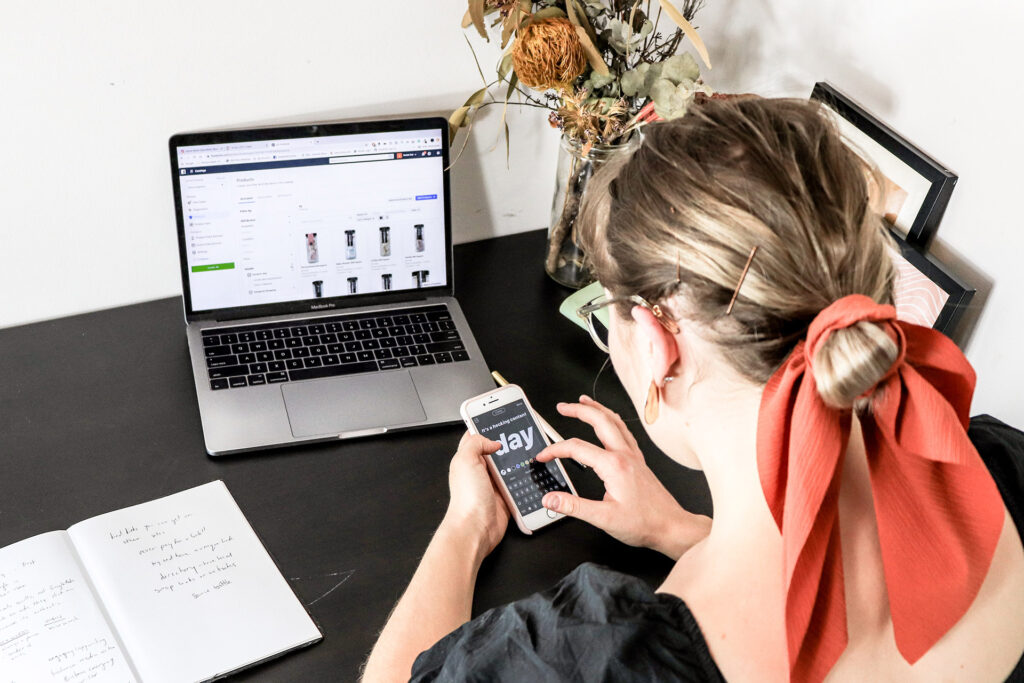
An e-commerce website is a real asset for businesses with physical premises that want more customers. But it’s also a concrete opportunity for start-ups and new businesses. Starting from scratch isn’t easy: many people have the right idea but lack the means to make their ambitions real. Opening a physical shop involves significant costs: rent, utilities and staff. At the start, a business wants to keep costs as low as possible, to reduce risk and save money to grow. Here too an e-commerce website helps, because it cuts costs considerably and lets you operate with lower running costs. Compared with rent and utilities, an e-commerce website involves a modest initial investment next to a physical shop, plus a few hundred euros a year for maintenance and updates.
Easy to manage and update
With modern e-commerce platforms, running an online shop has become simpler and has none of the limits of a physical shop. A website lets you present a wide range of products that would otherwise need a lot of physical space to display. Adding photos of different product types, sizes, colours or other features helps the seller give a fuller picture of what’s on offer and helps the buyer choose. It’s also easier to manage and monitor than a physical shop: you can add, change or remove products, keep track of stock and manage orders with ease.
Analysis and monitoring
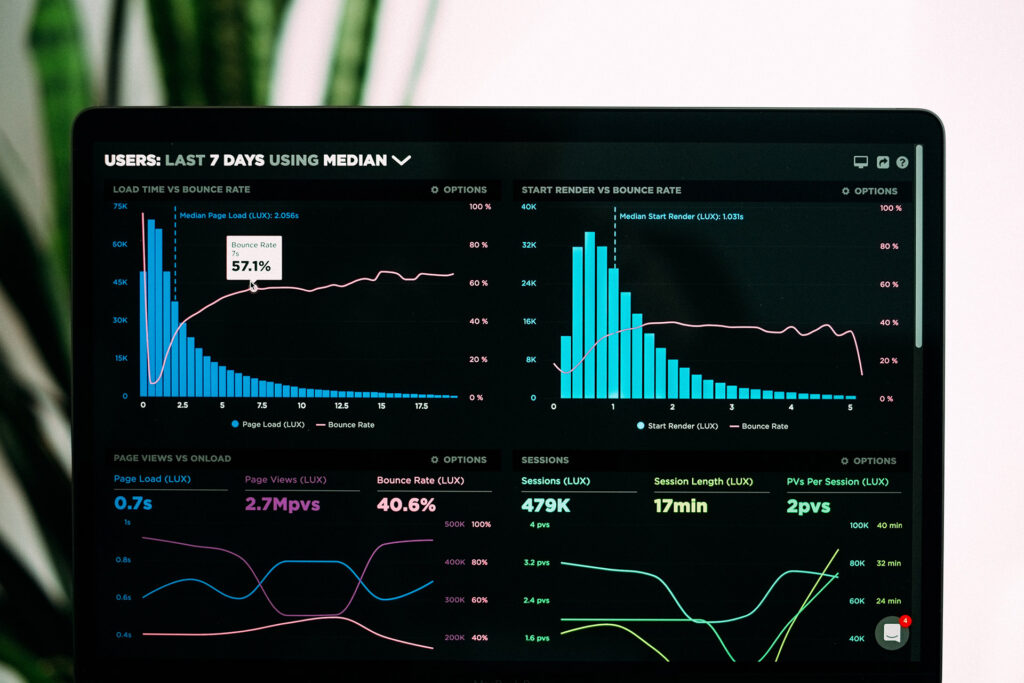
An e-commerce website gives you the tools to analyse and monitor what customers and potential customers do, so it’s very useful for defining your products’ target audience and improving your marketing strategy. You can identify and analyse buying behaviour, search trends, preferences and demographic data, always in line with the privacy policy. This valuable information helps a business make decisions that are as informed as possible about customers’ buying trends and how they change. It helps a brand improve its sales strategies and its chances of growth.
More marketing opportunities
The previous point leads to this further advantage, not to be underestimated. Among all the results of a Google search, it isn’t always easy to stand out and be found. An e-commerce website helps here too. You can use various online marketing strategies, such as search engine optimisation, or SEO. By using the keywords people search for most, you can appear more effectively in the results potential customers see online. An e-commerce website becomes the launch pad for a whole range of other opportunities offered by online advertising. One example is Google Ads, which lets you appear among the first results on a search engine like Google and reach potential customers more effectively than your competitors. A well-structured e-commerce website also helps you make the most of advertising on social media.
Growing your brand
Coming full circle, let’s return to an idea from the start of this article. An e-commerce website lets you build and widely promote your brand. A well-structured channel like this is a priceless business card, sending a message of professionalism and care to a whole range of potential customers. Creating a unique shopping experience consistent with your brand identity is an important step towards customer loyalty.
An e-commerce website is an investment that cuts costs and grows your customer base, while letting you manage orders efficiently. A common mistake is to see selling online as an either-or choice against selling in physical shops. In some cases, e-commerce is the best way to keep risk to a minimum, as for a business taking its first steps. But for those who already have a business or a physical shop, e-commerce can be a real help in increasing income, going beyond physical boundaries and reaching more and more potential customers.
Keep reading

Do you need a VAT number to sell online in Italy?
Do you need a VAT number (partita IVA) to sell online in Italy? The difference between occasional sales and a business, what…
16 November 2026 · 4 minRead the article ›
How much does an e‑commerce website cost: every item of expense
How much does an e-commerce website cost? Platform, design, catalogue, payments, shipping and maintenance: every item of expense, so you can read…
9 November 2026 · 6 minRead the article ›
How to create a successful e‑commerce website: a complete guide to selling online in 2026
Today anyone can open an online shop. In a few hours you can have one up and running with Shopify or WooCommerce.…
14 May 2026 · 4 minRead the article ›